


Ever walked into a living room and felt instantly inspired… or utterly confused? That’s the power of color. It can make a space feel like a warm hug or leave it looking like a Pinterest board gone rogue. So, when it comes to designing your living room—the heart of your home—the question becomes: should you go bold or keep it neutral?
Let’s be real—choosing the right color palette is a bit like online dating. You scroll through endless options, wonder if you’re making the right choice, then hope it works out IRL. But unlike dating, paint doesn’t ghost you—it just stares at you from the wall until you make peace with it… or repaint. So let’s help you avoid the heartbreak and choose between bold and neutral in a way that suits your personality, lifestyle, and space. Let’s dive into this colorful conundrum.
1. Understanding Bold Palettes: When Drama Makes a Statement

Bold palettes are not for the faint of heart. Think emerald greens, navy blues, mustard yellows, and even black walls. Bold doesn’t just mean bright—it means confident. These palettes command attention and immediately add depth and personality. They’re great for people who love entertaining, want their space to reflect their vibrant personality, or live in modern lofts or artistic homes. But here’s the pain point: bold colors can go wrong quickly. If overdone, they can overwhelm the space or clash with existing furniture. And if you’re planning to sell your home soon, bold might not be the universal crowd-pleaser. However, when used strategically—like a single accent wall or in combination with a muted palette—bold can elevate your space into something worthy of a feature in InStyle Ideas. Pair bold shades with textures like velvet or leather to add elegance, and don’t forget layered lighting to balance the intensity.
2. The Case for Neutral Palettes: Where Calm Meets Class
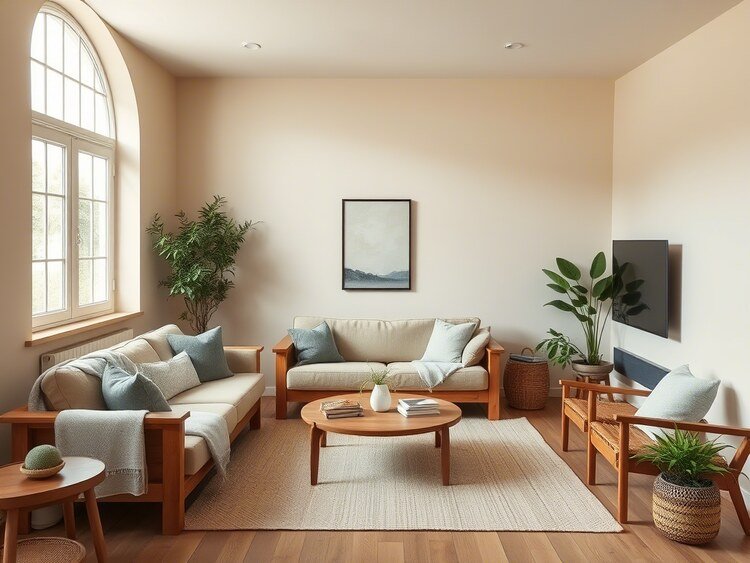
Neutrals are timeless for a reason. Shades like beige, taupe, soft whites, greys, and greiges work like magic to open up small spaces and make them feel breezy and serene. They’re the little black dress of interior design—always chic, endlessly versatile, and easy to dress up or down. The beauty of neutral color schemes for living rooms is their adaptability. Want to add seasonal accents? Go for it. Change up textures and patterns? Still works. But let’s talk about the real advantage: maintenance. Neutral walls won’t scream when your toddler decides to go Picasso with crayons. They’re also great for resale value because they appeal to the masses. The trick is in layering—mix different shades of neutrals, throw in some natural materials like wood or linen, and you’ll get that earthy, luxe vibe that feels elevated and grounded at the same time.
3. Personality Meets Palette: What Does Your Living Room Say About You?

Here’s the deal—your living room should feel like YOU. Bold palettes tend to match well with those who are adventurous, artistic, or fashion-forward. Neutrals often resonate with those who prefer calm, balance, and flexibility. But the fun lies in mixing it up. Why not have a neutral foundation with bold accents? A soft grey wall with a rich burgundy couch. Or a creamy palette with oversized abstract art in vivid colors. The best color combination for living room walls doesn’t have to be one or the other—it can be a fusion. Color psychology tells us that different tones evoke different feelings, so think about how you want to feel when you walk into your space. Energized? Go bold. Grounded? Stick to neutrals. Curious about how colors affect mood? Here’s a guide worth exploring.
4. Practical Considerations: Lighting, Space, and Functionality
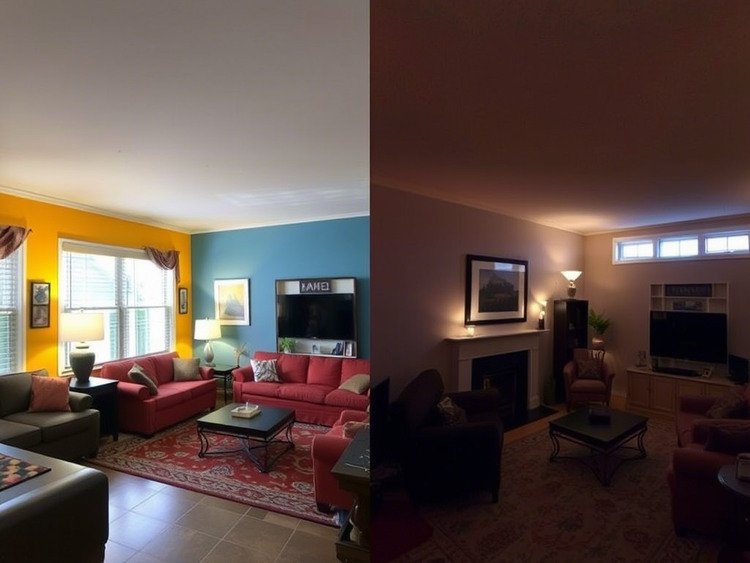
Color behaves differently depending on lighting—natural or artificial. A bold navy might look sophisticated in the showroom but appear almost black in a dimly lit room. Neutrals, while safe, can appear dull without enough contrast or layered decor. If your living room gets loads of natural light, you can play with bolder hues. Smaller or darker rooms benefit more from airy, neutral tones. Also consider your furniture—are you working with heirloom mahogany pieces or contemporary IKEA minimalism? Make sure your palette doesn’t clash. For those who like changing up decor often, neutrals offer a more versatile backdrop. But for renters or short-term decorators, bold accents like rugs, curtains, and cushions offer low-risk, high-impact style upgrades.
5. Trends vs Timeless: What’s Worth Following?

Design trends come and go (remember millennial pink?), but your living room shouldn’t feel outdated in two years. Bold colors like deep green, terracotta, or sapphire are trending now, while neutral tones like greige and creamy whites remain eternal favorites. Want a smart strategy? Choose timeless base colors, then play with trendier hues in smaller, replaceable elements. You’ll get the best of both worlds without the regret. Looking for expert-approved color schemes for living rooms? Architectural Digest always has a stunning roundup.
Key Points to Remember:
- Bold palettes make a strong statement but need careful balancing.
- Neutrals are flexible, timeless, and great for layering.
- Mix both for a sophisticated and customized palette.
- Consider lighting and room size before choosing colors.
- Don’t blindly follow trends—adapt them to suit your style.
FAQs
Q: Can I mix bold and neutral colors in one room?
A: Absolutely! That’s often the best approach. Think bold furniture or art against neutral walls.
Q: Will bold colors make my room look smaller?
A: If used excessively, yes. But paired with good lighting and smart layout, they can actually add depth.
Q: What’s the safest neutral for living room walls?
A: Greige—a mix of grey and beige—is incredibly versatile and stylish.
Q: How often should I repaint a bold wall?
A: Bold colors may need more frequent touch-ups depending on light exposure and usage.
Disclaimer: This content is for informational purposes only. Color selection is a personal decision and can vary based on lighting, room size, and individual preferences. Always test swatches before committing.