
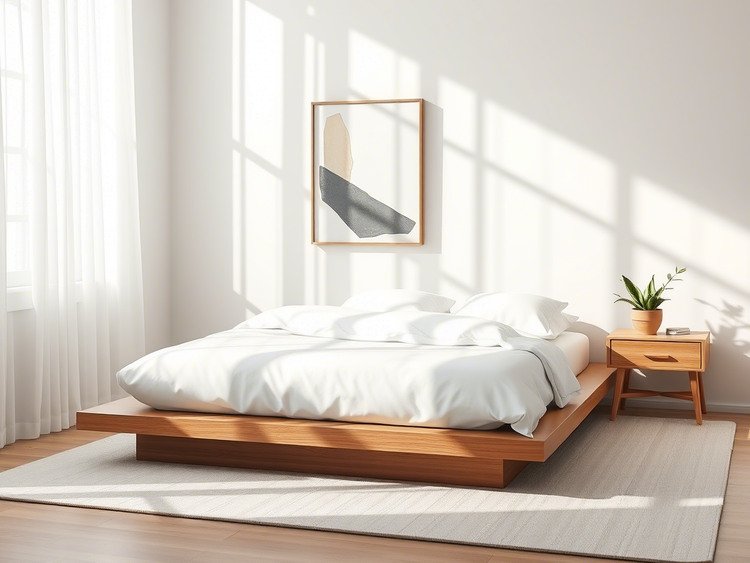

Imagine stepping into a bedroom where every element feels intentional, where calmness meets sophistication, and clutter is replaced with curated simplicity. This is the essence of minimalist bedroom style—a design philosophy that prioritizes functionality, clean lines, and a tranquil atmosphere. But how do you achieve a space that’s both cozy and chic without sacrificing personality? The answer lies in balancing form and function, choosing pieces that spark joy, and embracing a “less is more” mindset. Whether you’re drawn to backless simplistic bedroom ideas or the clean appeal of a minimalist bed frame, this guide will walk you through transforming your bedroom into a minimalist haven that radiates warmth and elegance.
1. The Philosophy of Minimalist Bedroom Design
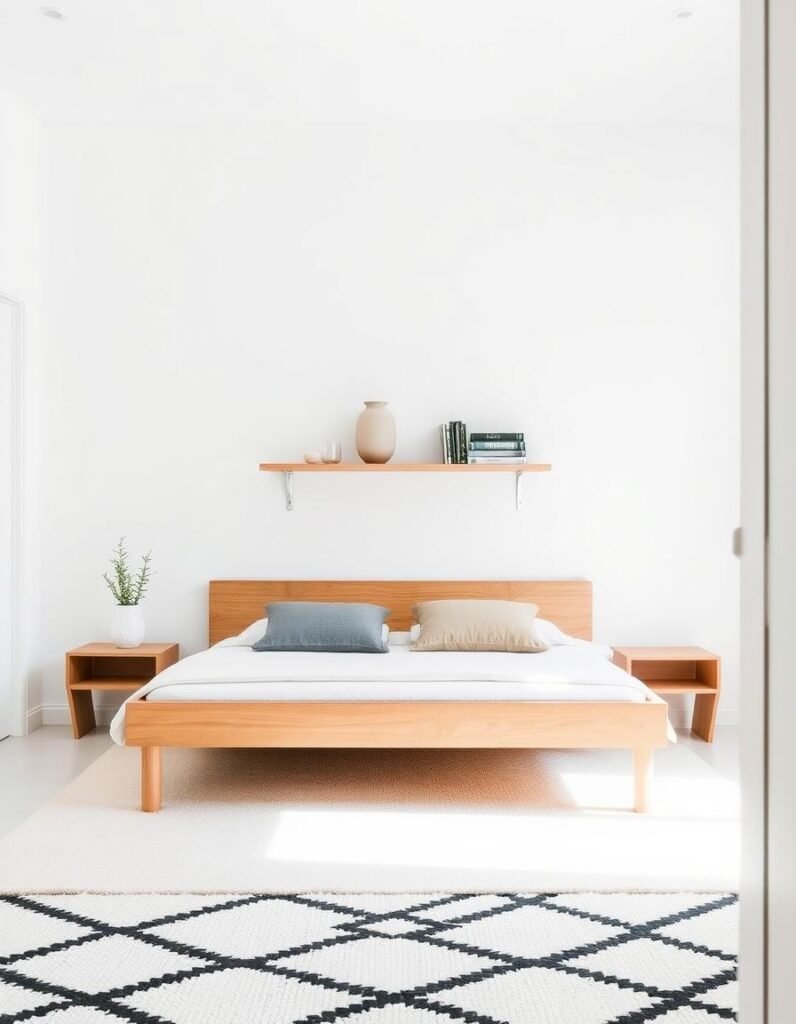
Minimalism isn’t just about owning fewer things—it’s about creating a space that fosters clarity and peace. At its core, simplistic bedroom design revolves around three principles: intentionality, functionality, and harmony. Start by asking yourself, “Does this item serve a purpose or bring me joy?” If not, it might be time to let it go. Studies, like one published in the Journal of Environmental Psychology, show that clutter increases stress, while minimalist environments promote mental well-being.
To embody this philosophy, focus on quality over quantity. Opt for multifunctional furniture, such as a storage-integrated minimalist bed frame, and stick to a cohesive color palette. Remember, minimalism doesn’t mean sterile—textured throws, a statement plant, or a single piece of art can add warmth without overwhelming the senses.
2. Backless Simplistic Bedroom Ideas: Elevate Your Space
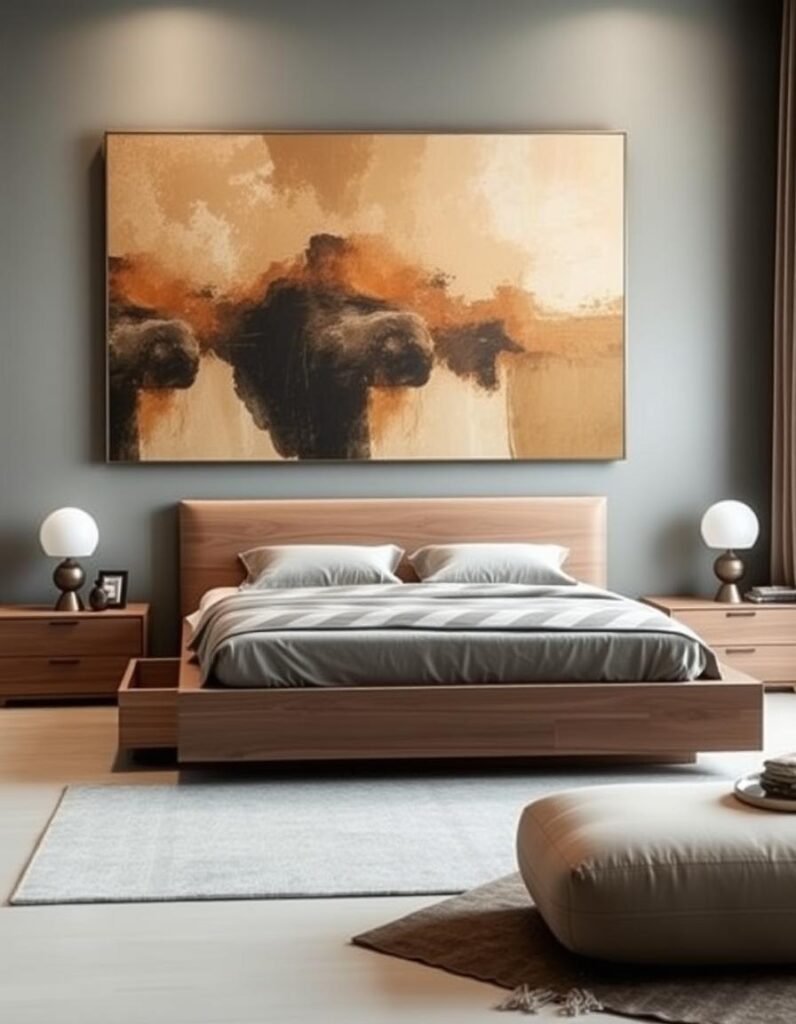
Backless simplistic bedroom ideas are a game-changer for achieving an open, airy feel. Think floating shelves, wall-mounted lighting, or beds without bulky headboards. A backless design draws the eye upward, creating the illusion of height and space—perfect for smaller rooms.
For example, swapping a traditional headboard for a minimalist bed frame with clean lines instantly modernizes the room. Pair it with wall sconces instead of table lamps to free up nightstand space. Not sure where to start? Brands like IKEA offer modular, space-saving options that align with minimalist principles.
3. Choosing the Right Minimalist Bed Frame
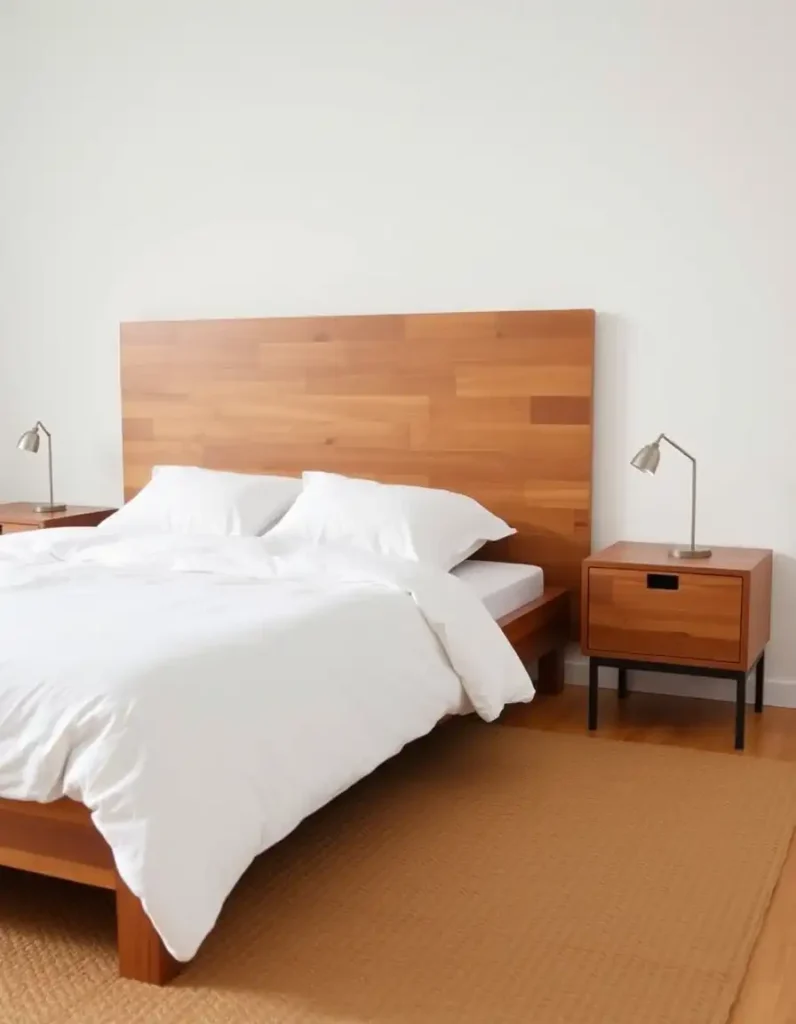
Your bed is the focal point of the room, so selecting the right minimalist bed frame is crucial. Look for designs that prioritize clean lines and natural materials—think oak, walnut, or metal. Platform beds are a popular choice, as they eliminate the need for a box spring and offer under-bed storage.
According to Architectural Digest, low-profile frames enhance the perception of space, making them ideal for compact rooms. Pair your frame with neutral bedding and layer textures (linen duvets, wool throws) to add depth.
4. Simplistic Bedroom Design: Less Is More

Simplistic bedroom design thrives on restraint. Stick to a neutral base—whites, grays, or soft beiges—and introduce subtle contrasts through materials like wood, stone, or metal. Avoid overcrowding surfaces; instead, display a few meaningful decor items, like a handmade vase or a framed photograph.
Storage is key here. Built-in wardrobes or under-bed bins keep essentials out of sight. For inspiration, check out The Minimalists, who advocate for owning only what adds value to your life.
5. Minimalist Bedroom Decor: Curate with Care
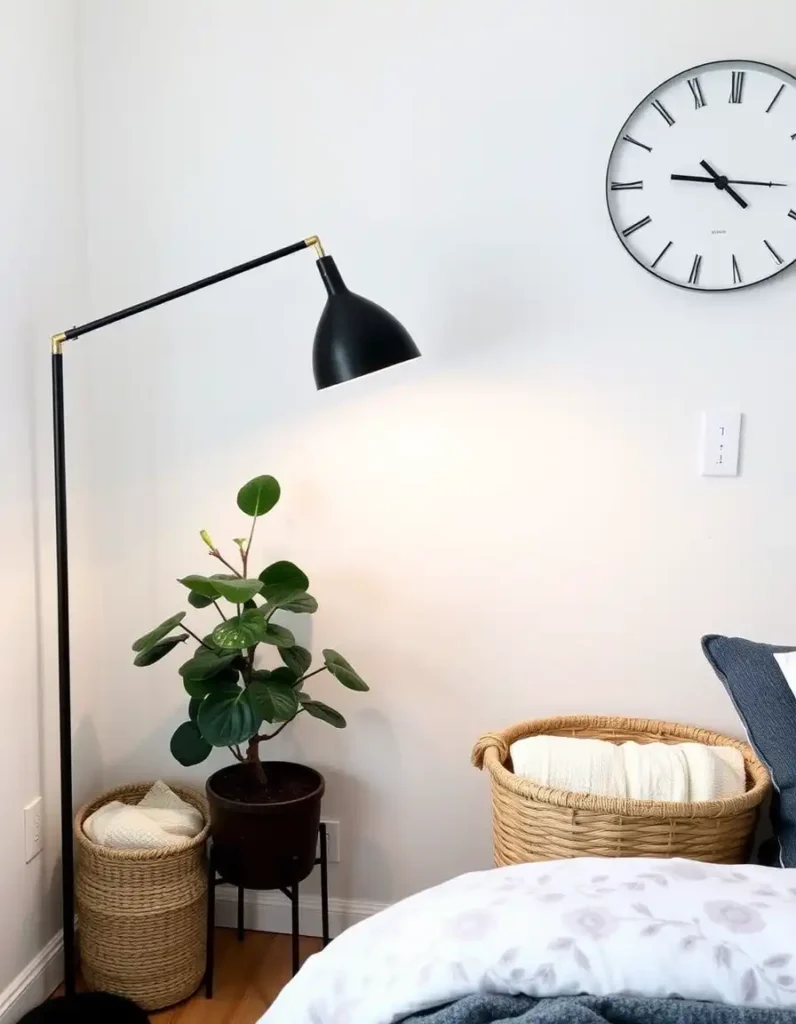
When it comes to minimalist bedroom decor, every piece should earn its place. Opt for functional art, like a wall-mounted clock or a mirror that amplifies natural light. Plants, like snake plants or succulents, inject life without clutter.
Textiles are your secret weapon. Layer a chunky knit throw over your bed or add a sheepskin rug for tactile contrast. For more minimalist bedroom decorating ideas, explore Apartment Therapy, which showcases real homes that master minimalist aesthetics.
6. Color Palette and Textures: Subtle Sophistication
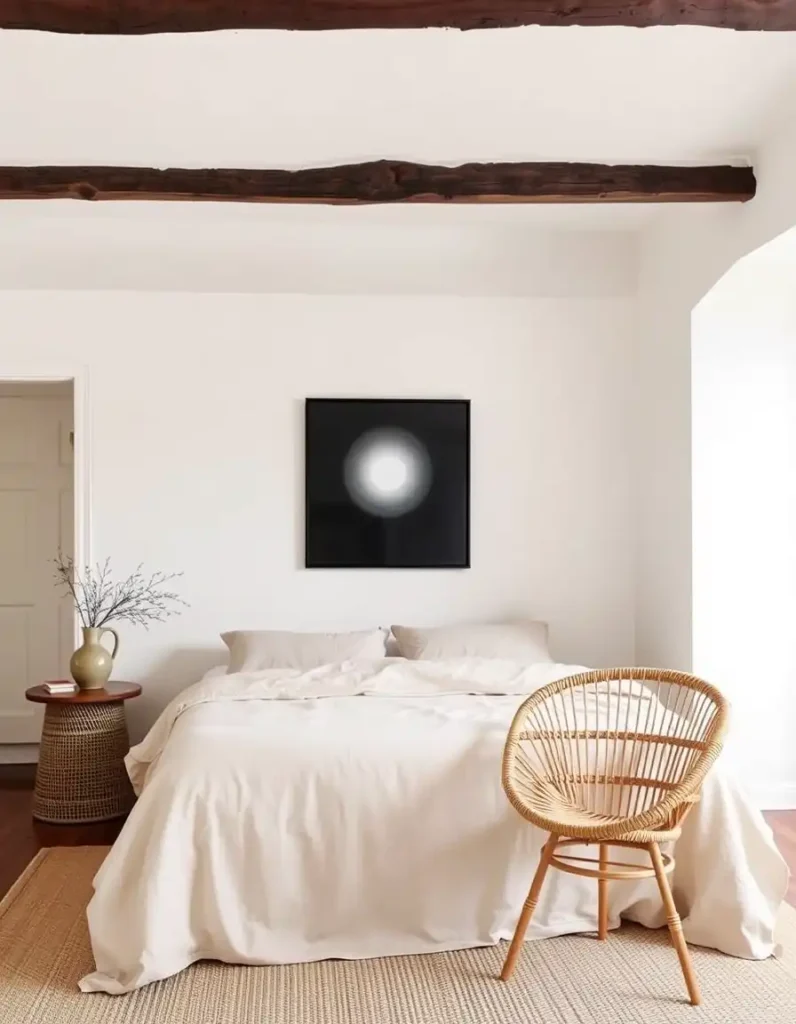
Stick to a muted color scheme—think whites, taupes, and soft blues—to evoke serenity. Introduce warmth through textures: linen curtains, a wool rug, or a leather accent chair. The goal is to create visual interest without visual noise.
7. Lighting: The Unsung Hero of Minimalist Design
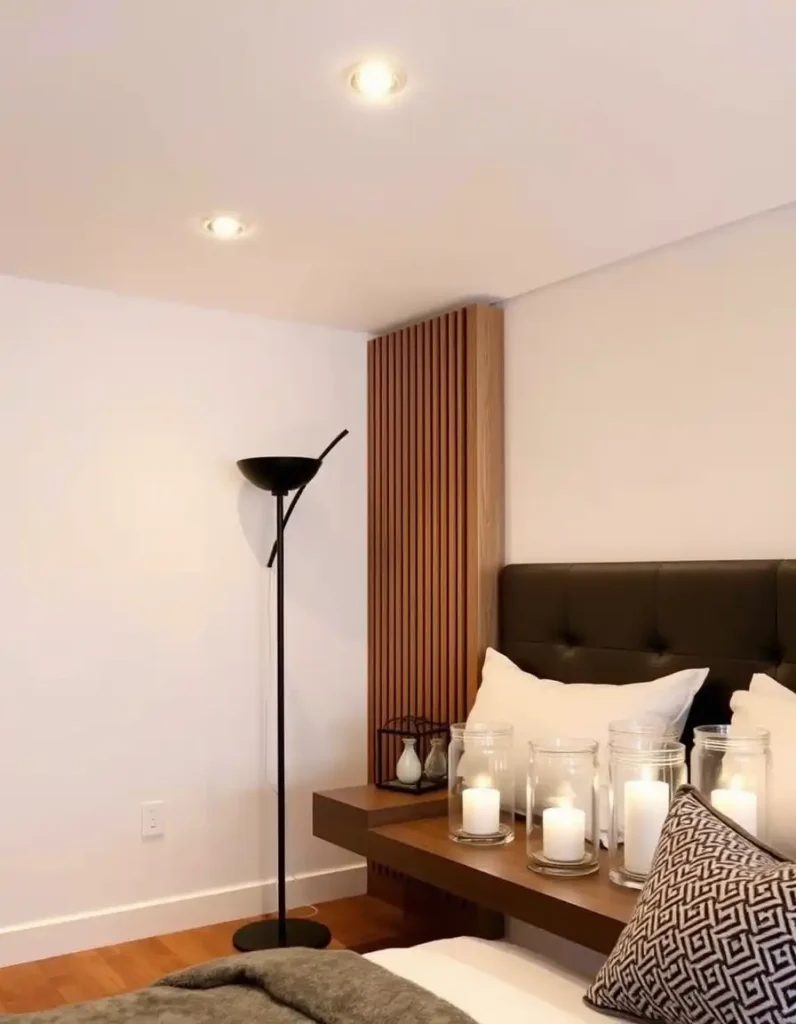
Lighting sets the mood. Combine ambient (overhead fixtures), task (bedside sconces), and accent (LED strips under the bed) lighting. Avoid bulky lamps; opt for slim, geometric designs.
8. Maintaining Minimalism: Long-Term Tips
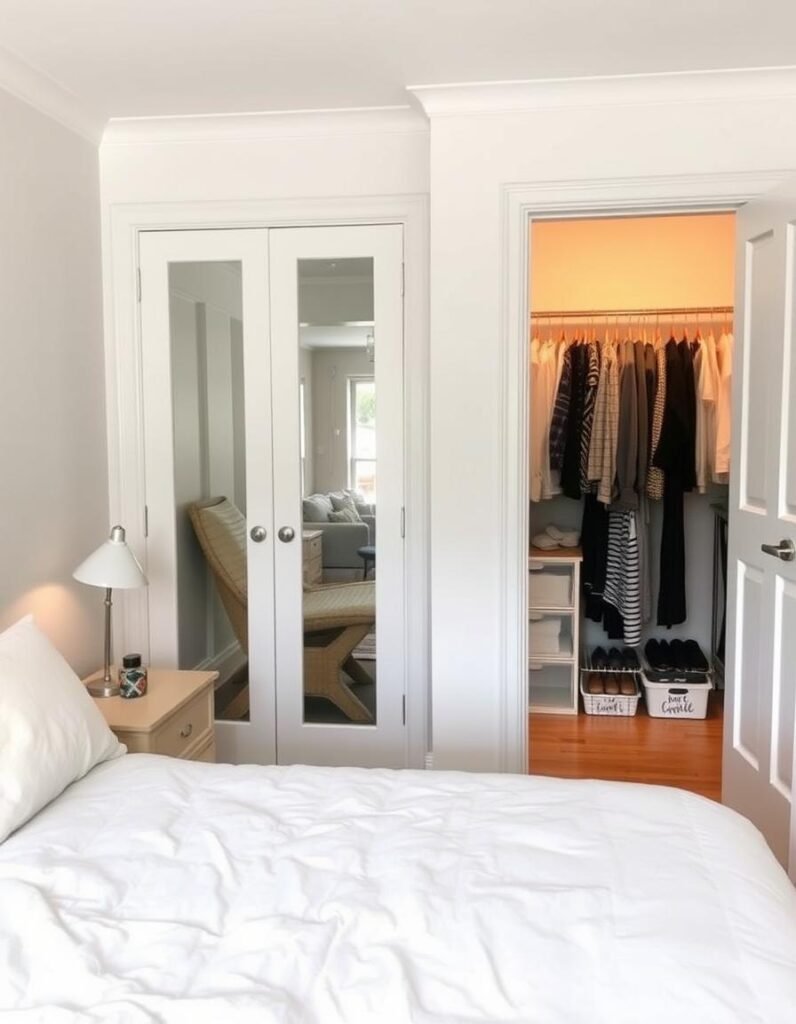
Adopt a “one in, one out” rule to prevent clutter. Regularly reassess your space—does it still feel intentional? Seasonal decluttering sessions can help maintain harmony.
Conclusion
A minimalist bedroom isn’t about austerity—it’s about creating a sanctuary that reflects your values. By embracing minimalist bedroom design principles, you’ll craft a space that’s both functional and deeply personal. Start small, stay intentional, and let simplicity guide you.


