
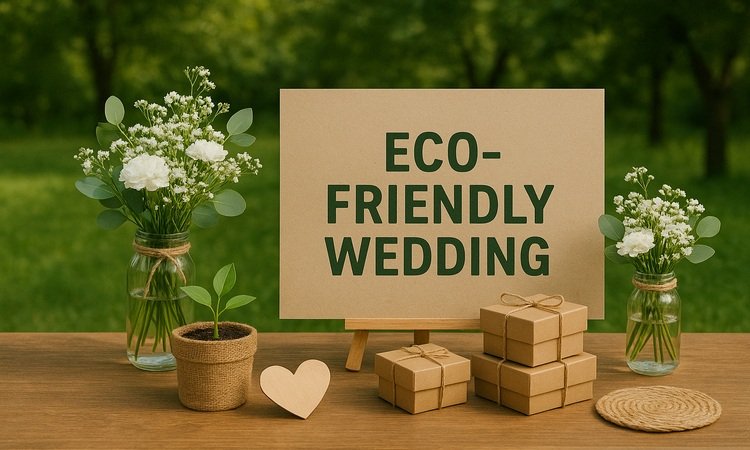

A wedding is one of the most beautiful and emotional moments in a couple’s life. But behind the scenes, a traditional wedding can create a surprising amount of waste—from single-use décor and plastic packaging to excess food, electricity consumption, and long-distance travel.
The growing trend of sustainable weddings is changing that. Today’s couples prefer celebrations that feel more meaningful, intentional, and earth-friendly. A green wedding doesn’t mean compromising on beauty or style—it simply means planning with mindfulness and choosing options that reduce environmental impact.
This detailed guide explores practical, stylish, and planet-friendly ideas to help you design an eco-conscious wedding that reflects both your love and your values.
1. Choose a Venue That Supports Sustainability
The venue is one of the biggest contributors to your wedding’s environmental footprint. Choosing wisely can lower waste and energy consumption.
Outdoor Venues
Hosting your wedding outdoors reduces the need for artificial lighting and heavy décor because nature becomes your backdrop. Good options include gardens, vineyards, beaches, forests, and even backyards.
Green-Certified Venues
Some venues follow eco-friendly practices such as using solar power, offering recycling and composting programs, and sourcing local ingredients. Ask about their sustainability policies before booking.
All-in-One Locations
Selecting a venue where you can host both your ceremony and reception minimizes transportation for guests.
2. Eco-Friendly Invitations and Stationery
Wedding stationery is used once and often thrown away. Sustainable alternatives help reduce unnecessary waste.
Digital Invitations
A smart and modern choice. No printing, no shipping, and easy to customize.
Recycled or Seed Paper Invitations
If you prefer physical invitations, choose recycled paper or seed paper that can be planted after use. Keep the design minimal to reduce ink usage.
3. Sustainable Décor Without Sacrificing Style
Décor is one of the easiest areas to make eco-conscious choices.
Natural and Reusable Elements
Use potted plants, greenery, wooden signage, linen napkins, and dried flowers. They create a beautiful aesthetic and can be repurposed after the event.
Renting Instead of Buying
Renting furniture, table décor, linens, and decorative arches saves money and reduces production-related waste.
Repurposing Décor
Re-use ceremony flowers for the reception, use bridesmaids’ bouquets as centerpieces, and limit excessive signage.
4. Eco-Friendly Wedding Attire
Wedding fashion is often worn once. Sustainable choices can reduce waste and still maintain elegance.
Sustainable Bridal Wear
Look for dresses made from organic fabrics or recycled materials. Many ethical designers now create eco-conscious bridal wear.
Renting or Re-wearing
Renting outfits for both the bride and groom is becoming more common. Bridesmaids can choose dresses they can wear again.
Vintage and Pre-Loved Dresses
Vintage dresses offer character and significantly reduce environmental impact.
5. Ethical and Sustainable Catering
Food waste is a large part of wedding waste. Making intentional choices helps reduce this.
Local and Seasonal Menus
Meals prepared using local and seasonal ingredients taste better and have a smaller carbon footprint.
Plant-Forward Options
Even offering a partially vegetarian menu reduces environmental impact.
Waste Reduction Practices
Donate leftovers, use refillable water stations instead of bottles, and coordinate with caterers who follow sustainable practices.
Eco-Friendly Drinks
Choose local wineries, breweries, and distilleries to reduce transportation emissions.
6. Sustainable Wedding Favors
Choose favors that guests will use or enjoy, rather than disposable trinkets.
Ideas include:
-
Seed packets
-
Mini plants or succulents
-
Reusable cloth bags
-
Handmade soaps
-
Organic honey or tea
-
Soy candles
Avoid plastic-wrapped or novelty items that end up in landfills.
7. Greener Floral Choices
Cut flowers often involve pesticides and long-distance shipping.
Locally-Grown Flowers
They support local farmers and minimize transportation impacts.
Dried Flowers
They last longer and add a rustic, timeless charm.
Reusing Arrangements
Donate flowers or repurpose ceremony arrangements for the reception.
Eco-Friendly Alternatives
Consider using potted plants, greenery installations, or paper flowers made from recycled materials.
8. Eliminate Single-Use Plastics
Try to avoid:
-
Plastic plates
-
Disposable cups
-
Plastic water bottles
-
Plastic straws
-
Balloon décor
Choose reusable or compostable alternatives instead.
9. Eco-Friendly Guest Transportation
Transportation impacts carbon emissions more than many couples realize.
Encourage carpooling, offer shuttle services, choose a centrally located venue, or provide a live-streaming option for guests who can’t travel.
10. Sustainable Rings and Jewelry
Your wedding rings symbolize commitment, so choosing ethical pieces adds extra meaning.
Options include recycled gold, conflict-free stones, lab-grown diamonds, and vintage jewelry.
Final Thoughts
Creating a sustainable wedding isn’t about limiting yourself—it’s about celebrating intentionally. Every eco-friendly choice, big or small, helps reduce waste and protect the planet. A green wedding is stylish, meaningful, and aligned with the values many modern couples share.
Your celebration can be both beautiful and responsible—a true reflection of love between you and for the world you will build together.


